

How Business Structure Impacts The Sale of Your Business.
An exit is a natural and inevitable part of the business lifecycle.
The time to consider what it means and what needs to be done to prepare, may be upon you now, or it may be the light you are seeing in the tunnel or looming large on the horizon.
You have already worked hard and sacrificed to build a successful business to this point. Navigating the ever-changing business landscape is still a challenge and it still monopolises your time and attention.
Your instincts tell you, that if you leave your preparation too late, it will cost you and you will not be in control of the process or outcome as much as you’d like or need to.
If you leave your preparation too late, it will cost you!
Rest assured, you are not alone in your thinking.
By taking action, such as reading an article like this, you are already standing out from the crowd.
Sadly, the majority of business owners don’t act on their instinct or act soon enough, leaving them with suboptimal results, lots of stress and limited options.
However, life doesn’t reward thinking alone, it rewards action.
Building your understanding and awareness of what selling your business involves, including what you sell, makes a difference. It is an excellent first step in shaping your financial outcome.
Life doesn’t reward thinking alone, it rewards action.
There are many broad ranging topics and implications that come to life during the business exit planning and implementation phases of your journey.
The Business Exit Journey Considerations
The journey from planning to executing the sale of your business encompasses a range of topics, from operational adjustments to legal and regulatory compliance.
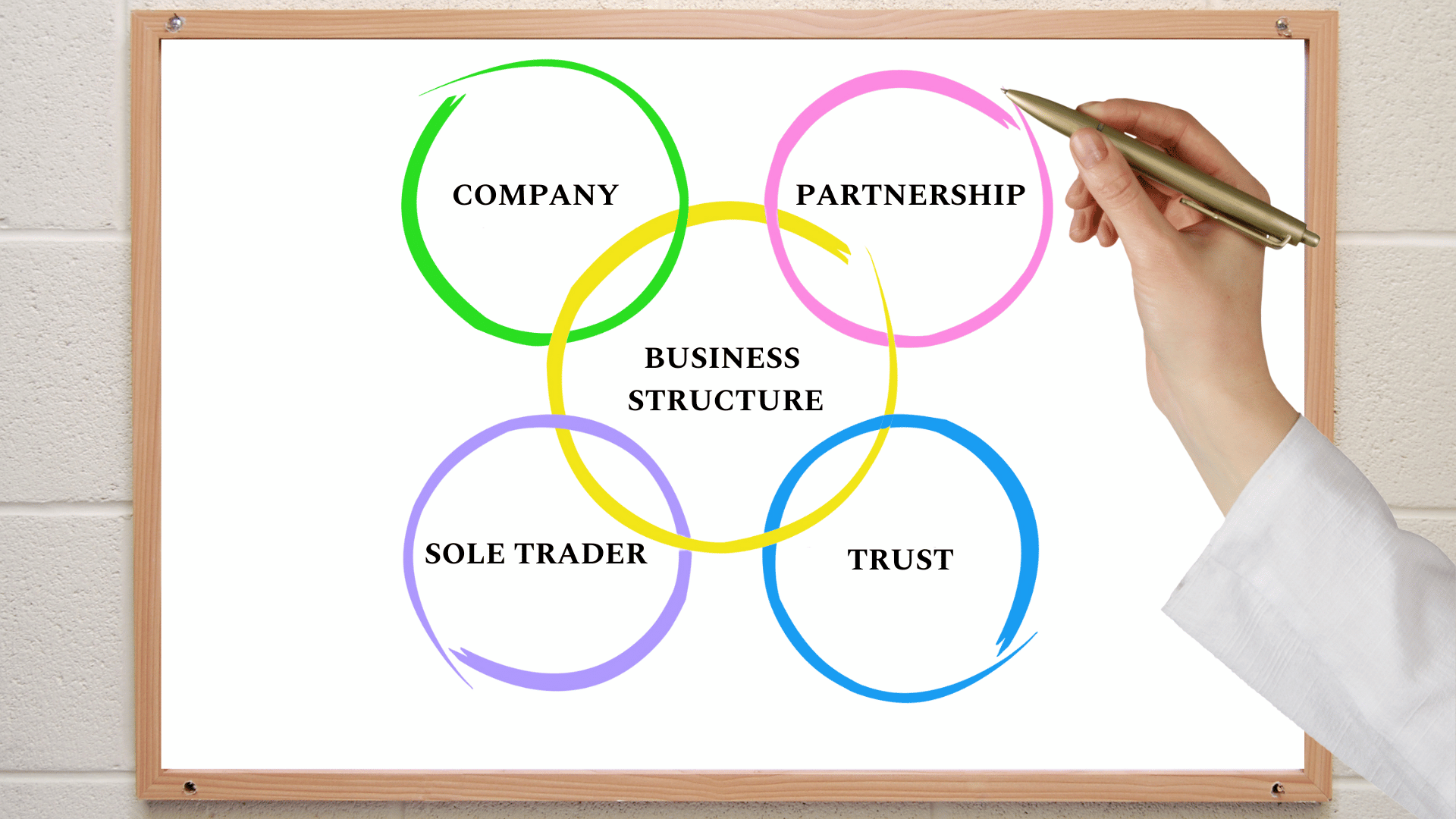
These considerations vary significantly based on the legal structure of your business—be it a Sole Trader, Partnership, Trust, or Company.
Use the tabs below to explore your current structure. In each tab is a concise overview of these considerations, designed to align your exit strategy with your personal and business objectives, so you can achieve the outcome you want and deserve.
It is important to note that there will be different implications based on the type of legal entity of the business, and which assets are sold to the buyer.
There are also many aspects of the process that are shared, irrespective of the legal entity type.
Click on the tabs to reveal the information.
Implications For Trusts On Exit Their Journey
Operational Considerations
Decision Making On Sale
Trustee, subject to conditions of deed.
Who else is (or should be) involved – your spouse, family members, advisors?
Financial Settlements
- Independent valuation of assets being purchased
- Identification of assets being purchased and assets being excluded
- Includes the reconciliation of financials at the Completion date (date of Sale or Settlement)
- Potential escrow arrangements where a portion of settlement funds may be held in escrow until Completion is finalised
Operational Transitions
Ensuring smooth handover and continuity of operations.
- Handover of decision making and control
- Change in accreditation, licensing and regulatory approvals
- Updating key office holders
- Change of address – altering or ending of location based services
Liability
Trustee / trust is liable for any outstanding debts or legal issues related to the business.
Transition Factors For Trust
Client Relationships
- Communication about change
- Service continuity concern
- Contract assignment
- Personal relationships
Staff Implications
- Uncertainties about job and financial security
- Cultural & identity concerns
- Concerns about levels of authority, scope of responsibility and career / developmental progression
- Develop retention plans for key employees prior to sale
- Employment termination and settlement of entitlements (including redundancy) if not continuing with purchaser or new agreement and transfer of entitlements to purchaser
Supplier Relationships
- Communication about change
- Service continuity concern
- Contract completion or negotiations
- Personal relationships
Transfer or assignment of ongoing agreements including property and other leases, insurance policies.
Beneficial Owner / Key People
- Consider who (seller and key individuals) will have a role during the transition period, if any
- Non-compete agreements or clauses and non-disclosure requirements
Business Implications
- Clear plan for distribution of assets among beneficiaries
- Managing the brand or identity transition
- Preparing all of the information necessary for a smooth and uncontested due diligence process
- Ensuring the business results are solid and proven
Understanding and mitigating exposures and risks that may concern a buyer.
Taxes and Duties - Considerations For Trust
This information is for guidance only and does not constitute advice. Always consult your financial advisor, who will consider relevant factors and information pertinent to your personal situation and needs.
Note: Often what yields the best tax outcomes for the seller will not necessarily be the best for the buyer – which may impact negotiations as to how the transaction will be structured.
Trusts are ‘pass through’ vehicles meaning the net income of the trust is taxed in the hands of the beneficiaries. It is only when net income is not passed through that the trust is taxed.
Consideration concerning the sale of businesses conducted by trusts involves consideration of the tax implications for its beneficiaries.
Selling your business is considered by tax authorities to be the sale of an asset. This means any gain on sale, is considered to be a capital gain.
Capital Gains Tax (CGT) involves 5 factors:
- Your cost base.
- The sale price of the business.
- The tax structure.
- Tax concessions, including exemptions, which the business is eligible to claim. There are a number of concessions which may reduce the amount of tax payable.
- The amount of income earned for the year in which the business is sold.
Capital Gains Tax
Sale proceeds will be considered personal income for beneficiaries.
Stamp Duty
Stamp duty is a state or territory-based duty which is applied to certain transactions over assets considered dutiable property in that State. The calculation is made on the dutiable assets.
The buyer is generally responsible for paying the Stamp Duty. If GST is payable, duty must be calculated on the GST-inclusive amount.GST (Goods and Services Tax)
GST is payable when disposing of capital assets. It is the seller’s responsibility to determine the GST treatment.
Always consult with your financial advisors whether the sale was made on the basis of being a going concern or not.General Considerations For Trust
Non-Disclosure Agreements
Use NDAs to protect sensitive information during and after discussions and negotiations.
Valuation
Obtain an independent valuation of the business before negotiating.
Business Structure Impacts On Your Sale Journey
As you navigate the complexities of selling your business, remember that the decisions you make now will define the legacy you leave behind.
"The best way to predict the future is to create it." Peter Drucker
The considerations outlined in this article aren't just theoretical—they are practical steps that demand your attention and action.
- Have you started aligning your exit strategy with your business structure and personal goals?
- Are you actively engaging with the right professionals to guide you through this process?
Now is the time to take control, leveraging the insights you've gained to ensure a sale that reflects the true value of your life's work.
What steps will you take today to secure the future you envision for yourself and your business?