

The skill of leadership in transition, while you navigate your business exit, is key to your exit success and your legacy (the business you leave behind).
Leadership isn't merely a position. Leadership embodies a series of behaviours and actions that motivate others towards a common goal. This is even more critical during the sensitive period of transitioning leadership and preparing for an exit.
The essence of true leadership lies in influencing, not commanding. It's about utilising personal power, not just positional authority.
"Leaders become great, not because of their power, but because of their ability to empower others." John C. Maxwell
Understanding Leadership Beyond Authority
In today’s fast-paced business environment, the traditional notions of power and authority are frequently intertwined with leadership. However, true leadership is about influencing and guiding others out of genuine respect and commitment, not because they are compelled to follow.
Transitioning out of your business requires a nuanced understanding of this dynamic, as your legacy and the company's future depend significantly on how you handle this phase.
Personal power is the real currency in leadership, especially when you plan to exit. It forms the foundation of relationships and trust within your business, which are critical as you prepare to hand over the reins. How you lead during this time will impact not only the business’s continuity but also the morale and engagement of your team.
The Critical Role of Leadership in Business Exits
As you inform your staff and key stakeholders of your impending exit, your leadership qualities come sharply into focus.
It’s natural for fear and uncertainty to surface among your team. How you address these emotions can set the tone for the transition. This period is delicate. Your actions, the certainty and clarity you provide, and the courage you display are watched closely and will be remembered.
Leadership during a business exit isn’t only about maintaining performance it’s also about reassuring and realigning your team to the new realities.
Whether it’s through reinforcing the continuity of vision or being transparent about changes, your role is to navigate these shifts smoothly.
"It's critical to have a direct line of communication to your team and to be consistent and clear in your actions and words." Mary Barra, CEO of General Motors
The 3 Cs of Effective Leadership During Transition
To guide you through this transition effectively, focus on developing what we call the '3 Cs' of Leadership: Certainty, Clarity, and Courage.
Certainty
Leadership fundamentally involves providing certainty to your team about the future. It’s about showing a clear path forward and why this path benefits everyone involved.
Certainty in leadership is shown through:
- A clear vision of future directions.
- Genuine care for the needs and concerns of individuals.
- Strong connections and shared values.
- Competence and continuous personal growth.
- A focused commitment to goals, evident in your actions and decisions.
Clarity
Effective leadership clarifies the 'what', 'why', and 'how' of participation. It removes ambiguity and helps align team members with their intrinsic motivations rather than relying solely on external drivers.
Clarity can be enhanced through:
- Consistency in actions and communications.
- Transparency and openness, which may involve vulnerability.
- Conciseness and precision in messaging.
- Completeness and integrity in dealings.
Courage
The transition phase often involves stepping into unknown territories, which requires courage. This isn't the absence of fear but the resolve to act despite it.
Courageous leadership is characterised by:
- Personal integrity and the pursuit of truth.
- Confidence in the face of challenges.
- Commitment to the welfare of the business and the people involved.
- Compassion and empathy towards others.
- Curiosity and an eagerness to learn and adapt.
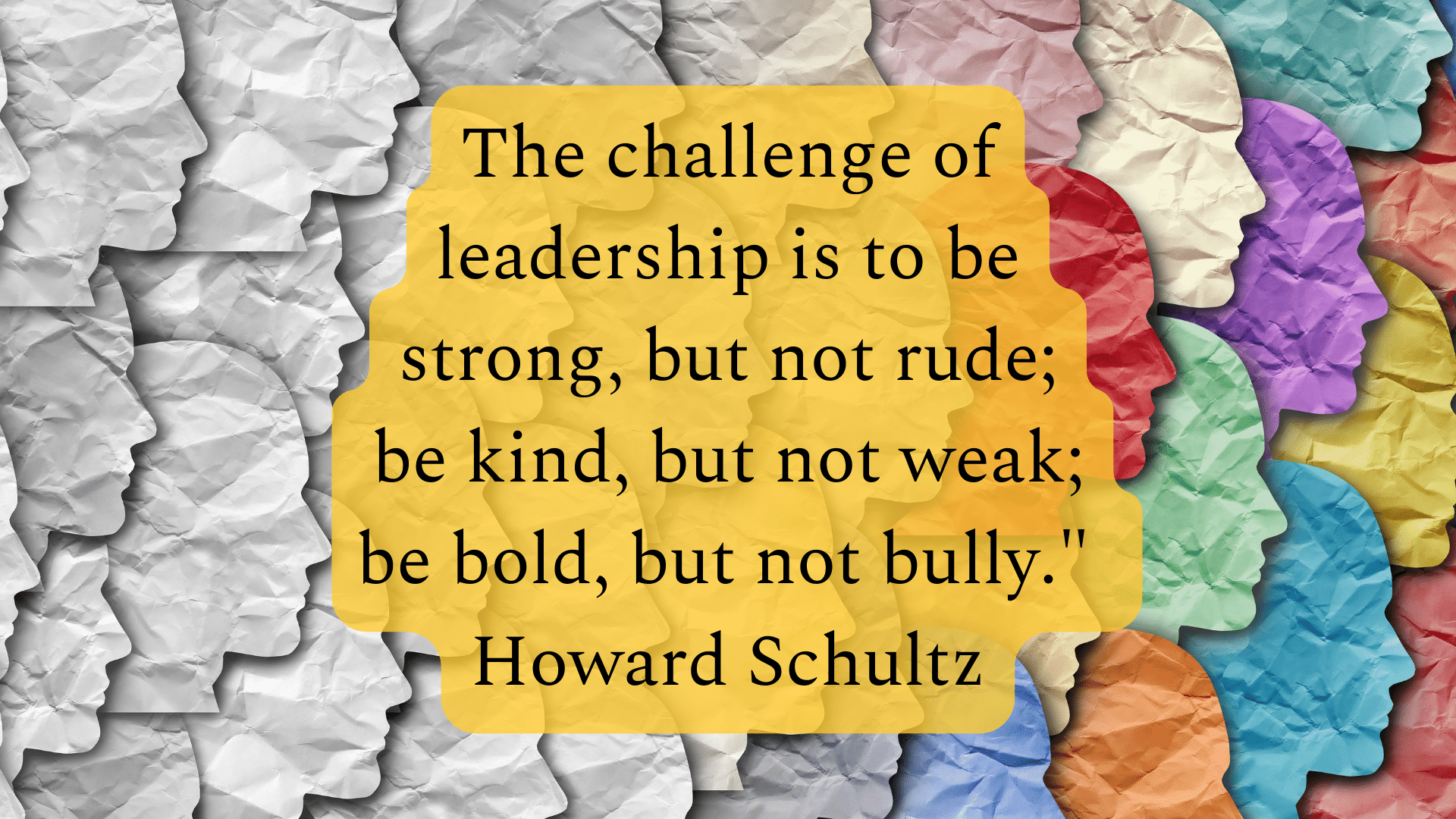
"The challenge of leadership is to be strong, but not rude; be kind, but not weak; be bold, but not bully." Howard Schultz, former CEO of Starbucks
As you reflect on these aspects of leadership, consider how well they are integrated into your current leadership behaviours.
Are you ready to lead through this change?
Leadership is not just about guiding others through the known it’s about leading your team, your business confidently into the unknown.
How will you use your final months or years at the helm to reinforce a legacy of growth, integrity, and resilience?
What steps will you take today to cultivate the clarity, certainty, and courage needed to navigate this transition successfully?