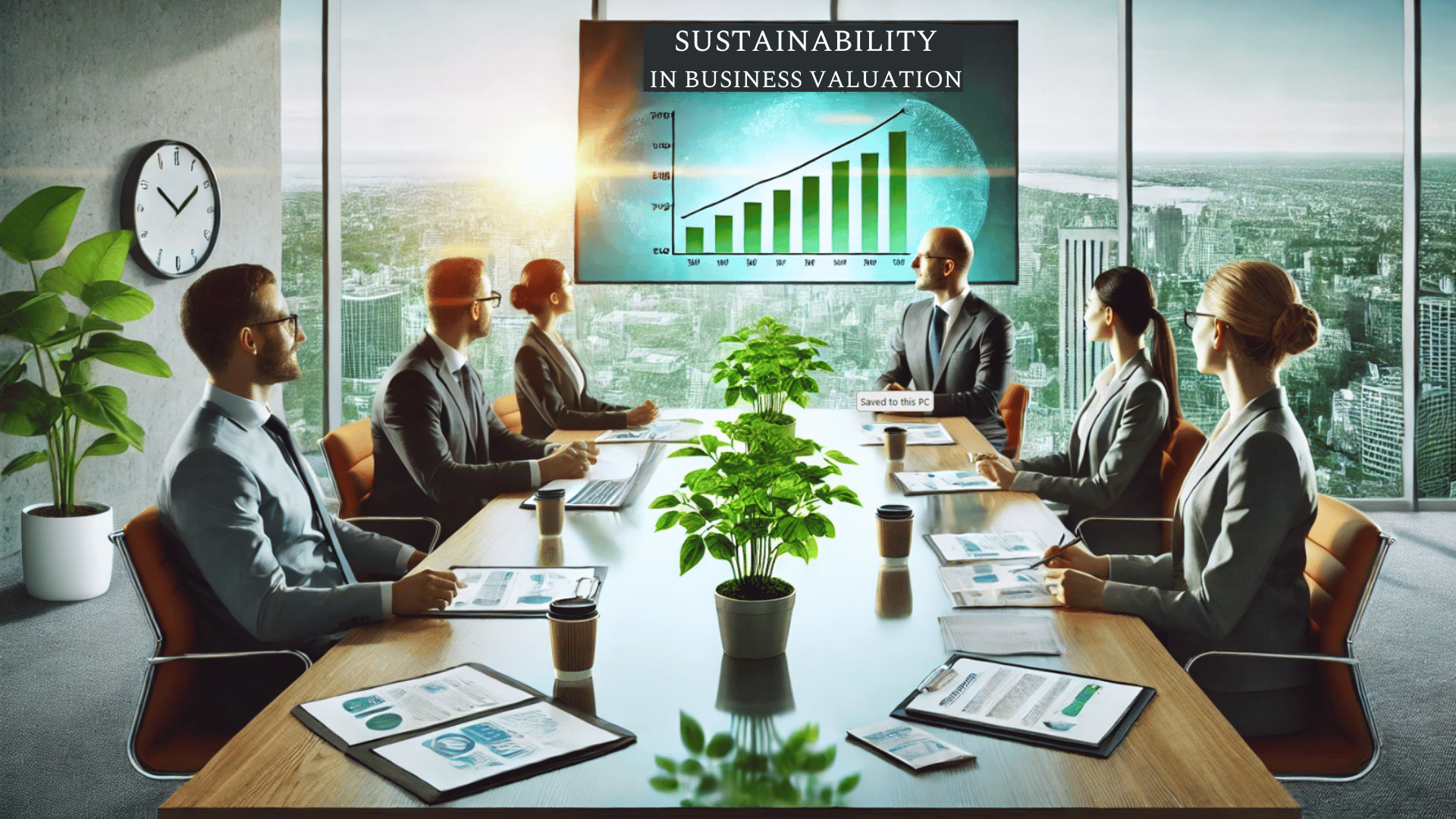
Why the hype about sustainability in business, valuations and exits?
In today’s business landscape, sustainability is more than a buzzword; it’s a pivotal factor in business finance, valuation and exit strategies.
For Australian business owners looking to exit in the coming years, overtly integrating sustainability into their operations can significantly enhance business value and attract potential buyers.
The Rising Importance of Sustainability
Sustainability has gained prominence among investors and in particular with younger generations such as Millennials and Generation Z.
These groups are more inclined to invest in businesses that demonstrate a commitment to environmental, social, and governance (ESG) principles.
According to the Knight Frank Wealth Report (1), there is a notable increase in demand for sustainable investments, driven by private capital trends and shifting generational preferences.
Impact on Business Valuation
Businesses that incorporate sustainable practices can achieve higher valuations and ultimately, higher prices compared to businesses that are not environmentally responsible and socially conscious.
This trend is supported by data from the Knight Frank Wealth Report, which highlights that sustainability initiatives can lead to improved financial performance and enhanced brand reputation.
Strategies for Integrating Sustainability
Assess Current Practices:
- Conduct an audit of your current business operations to identify areas for improvement in sustainability.
- Implement energy-efficient technologies and sustainable supply chain practices.
Set Clear Goals:
- Establish clear, measurable sustainability goals and consistently track and report on progress.
- These could include reducing carbon emissions, improving waste management, or sourcing materials and labour ethically, and many other possible initiatives
Engage Stakeholders:
- Communicate your sustainability efforts to stakeholders, including employees, customers, and investors.
- Transparency builds trust and enhances the company’s reputation. It directly affects the hiring of talent, building alliances, sourcing finance and attracting buyers.
Certifications and Standards:
- Obtain relevant certifications such as ISO 14001 (Environmental Management) to demonstrate your commitment to sustainability.
Real-World Examples
1
Lion
Lion (2), an Australian beverage company, has committed to reducing its carbon footprint and has invested significantly in sustainable practices.
This commitment has not only improved their brand reputation but also attracted environmentally conscious investors, enhancing the company’s valuation.
2
Woolworths
Woolworths (3), an Australian retail giant, has implemented comprehensive sustainability initiatives, including reducing plastic waste and improving energy efficiency across their stores.
These efforts have led to increased investor interest and a higher market valuation.
3
Young Henrys - SME Example
Young Henyrs (4) a Sydney brewing company has implemented a variety of sustainability initiatives, including using algae to offset carbon emissions during the brewing process.
They also prioritize local sourcing of ingredients, have reduced their water and energy usage significantly. These efforts contribute to their bottom line and customer demand.
4
Zero Co - SME Example
Zero Co (5) produces eco-friendly household cleaning and personal care products.
Their products are sold in reusable packaging, which customers can send back to be refilled, reducing single-use plastic waste. They also focus on using natural and non-toxic ingredients in their products.
They are socially engaged through ocean plastic cleanups and other campaigns. Their engaged clients create recurring revenue streams through subscription models.
Key Takeaways
The real-world examples illustrate how sustainability initiatives can significantly enhance business valuation and attractiveness to investors. By implementing these or similar practices, businesses can position themselves for a successful exit strategy that is aligned with market demands.
Incorporating sustainability into your business strategy is no longer optional - it's a critical factor in enhancing business value and ensuring a successful exit.
By aligning with the values of modern investors and demonstrating a commitment to ESG principles, business owners can position themselves favourably in an evolving market.
At Business Exit Partners, we are here to guide and support you integrating sustainability into your operations and maximising your business’s exit value. By adopting sustainable practices, you can significantly enhance your business’s appeal and ensure a more profitable and impactful exit.
Contact Business Exit Partners and let’s work together to create a sustainable and profitable future for your business.
References:
1. Knight Frank Wealth Report: Insights on sustainability trends and their impact on business valuations and investments.
2. Lion's sustainability initiatives: Lion - Our Approach to Sustainability
3. Woolworths' sustainability efforts: Woolworths Group – Sustainability
4. Young Henrys website: https://younghenrys.com/our-approach
5. Zero Co website: https://www.zeroco.com.au/pages/the-story-so-far